How Hard Water in Diamond Bar Affects Your Water Heater (and How to Fix It)
Imported mineral-rich water is quietly scaling every heater in 91765. Here is the mechanism, the symptoms, and the maintenance that actually stops it.
The water your heater actually receives
Diamond Bar does not pump its own water. The city drinks imported surface water, delivered through the Colorado River Aqueduct and the State Water Project and sold locally by the Walnut Valley Water District (WVWD water supply). Water of that origin carries a heavy mineral load of dissolved calcium and magnesium, which is the definition of hard water on the USGS classification scale (USGS Water Science School). Anything above 180 mg/L as calcium carbonate rates as very hard, and systems in our part of the San Gabriel Valley live comfortably in that territory.
Nobody gets hurt drinking it. The USGS page is explicit that hardness minerals are dietary nutrients. The damage happens where water gets heated, which in your home means one appliance above all others: the water heater.
What actually happens inside the tank
USGS describes the mechanism plainly: when hard water is heated, solid deposits of calcium carbonate form, and that scale reduces equipment life, raises heating costs, and lowers efficiency. Here is the play-by-play in a Diamond Bar garage. Every heating cycle forces dissolved minerals out of solution at the hottest surface, the burner-flue area at the tank bottom. They settle as a growing sediment layer. That layer then insulates water from the burner, so the heater runs longer for the same shower. Running longer means more heat, more scale, and a feedback loop that ends with rumbling, popping, and a tank that dies years before its rating.
In tankless systems the story changes shape but not direction. The heat exchanger's narrow channels scale on the inside, flow sensors notice, and the unit starts throwing error codes while efficiency slides. Tankless owners in hard-water regions who skip annual descaling buy themselves expensive repairs that a yearly flush would have prevented.
The signs your heater is scaling right now
- Rumbling or popping during heating. Steam bubbles fighting through the sediment layer. The tank is talking; listen.
- Longer recovery times. Back-to-back showers used to work. Now someone waits. The burner is heating rock before water.
- Rising gas bills without rate changes. Scale makes every gallon of hot water cost more to produce.
- White crust on fixtures. The same mineral load is visible wherever hot water and air meet: faucet aerators, shower heads, the kettle.
- Lower hot water capacity. Sediment occupies tank volume that water used to. A fifty-gallon tank behaving like forty is full.
What to do about it, in order of cost
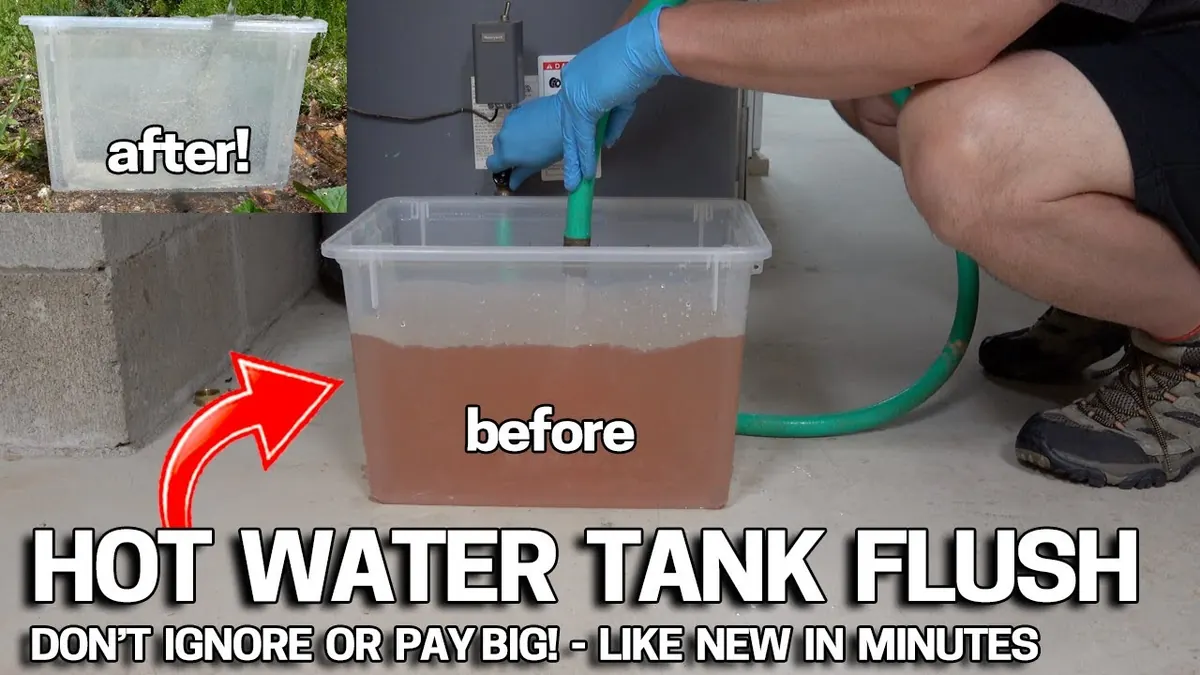
First: flush annually. Draining several gallons from the tank valve, or fully descaling a tankless exchanger with a pump kit, strips the sediment before it hardens into a permanent layer. It is an hour of maintenance that adds years of equipment life, and in 91765 it is non-negotiable maintenance rather than an optional extra.
Second: treat the whole house. A correctly sized softener protects the heater, the fixtures, the dishwasher, and everything else the water touches. Sizing comes from your fixture count and household load, which is why we measure rather than guess.
Third: upgrade strategically. When a scaled tank reaches end of life, replace with equipment rated for hard-water service and set the maintenance schedule on day one. Our tankless and tank water heater service page covers the replacement options, and our annual descaling plan exists precisely for this water.
Hard Water FAQs
How hard is the water in Diamond Bar?
Our supply is imported surface water from the Colorado River Aqueduct and the State Water Project, delivered locally through the Walnut Valley Water District. Systems of that origin run mineral-rich; the district's annual water quality report lists exact hardness figures, and any reading above 180 mg/L as calcium carbonate classifies as very hard on the USGS scale.
Does a water softener replace the need to flush my heater?
It reduces the rate of scale, not the need for maintenance. Softened systems still collect some sediment and still benefit from an annual check. Households on softeners typically stretch flush intervals; households without them should not.
Is hard water safe to drink?
Yes. The minerals that make water hard are calcium and magnesium, and USGS notes they are dietary minerals. Hardness is an equipment and cost problem, not a safety problem, which is exactly why treatment decisions should follow your plumbing priorities.