How to Locate Your Main Water Shut-Off Valve in Diamond Bar, CA
The main shut-off is the most important valve in your house and the one nobody has ever closed. Find it tonight in three usual spots, and prove it works.
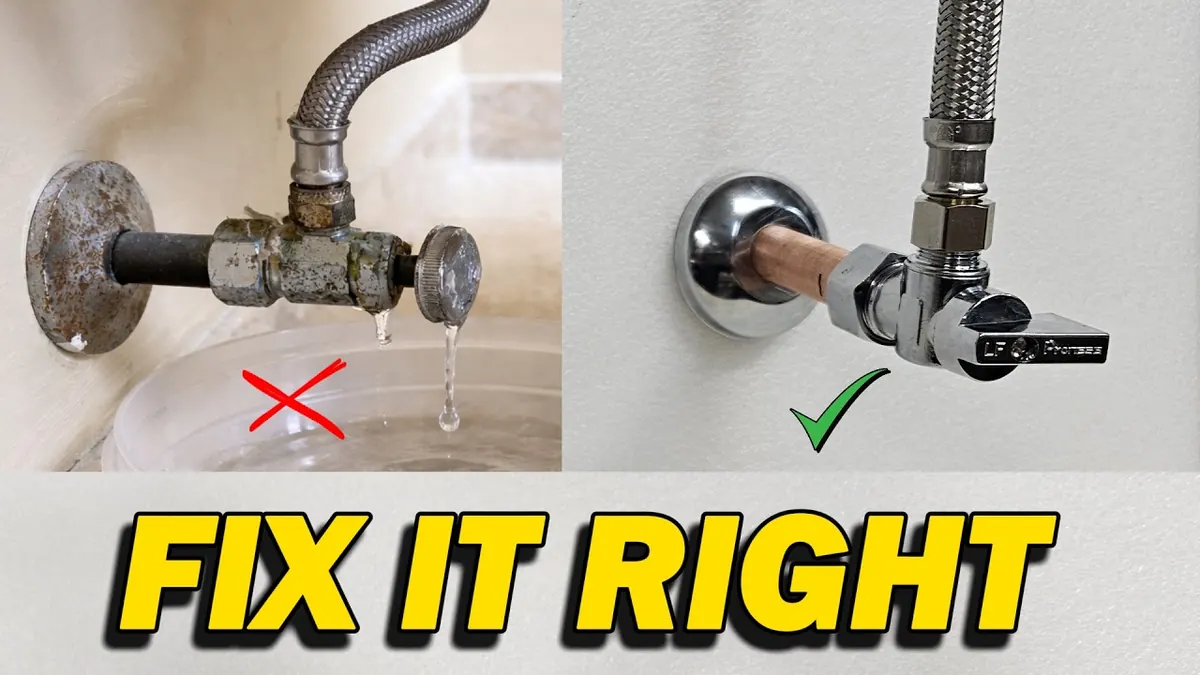
Five minutes tonight that save thousands later
Every plumbing emergency gets worse by the minute the water keeps running, and the single fastest way to stop it is the main shut-off valve. Most Diamond Bar homeowners we meet have never closed theirs, are not certain where it lives, and discover both facts at the worst possible moment. This guide fixes that in one evening walk around your property.
The three usual locations, in search order
1. The curb-side meter box
Stand facing your street and look for the rectangular concrete or plastic lid set into the parkway strip between sidewalk and curb, usually near your property line and often marked with the water utility's logo. Inside sits the meter and, on the house side, a valve. City-side valves belong to the water utility; the customer valve is the one you may operate. A meter key makes the lid easy, but a sturdy screwdriver and care work in a pinch.
2. The side of the house or garage wall
Many Diamond Bar tract homes put the main shut-off where the supply line enters the structure: a hose bib-style valve or a ball valve handle on the wall facing the street, often inside a recessed box, near the front hose connection or the garage. In garage installs it hides behind storage, so this is the evening you move the boxes.
3. Interior, near the water heater
Some homes run the main through the interior before it branches, placing the shut-off near the heater or in the hallway closet the pipes seem to favor. Follow the cold line from the heater back toward where it enters the house if the first two searches come up empty.
How to close it properly
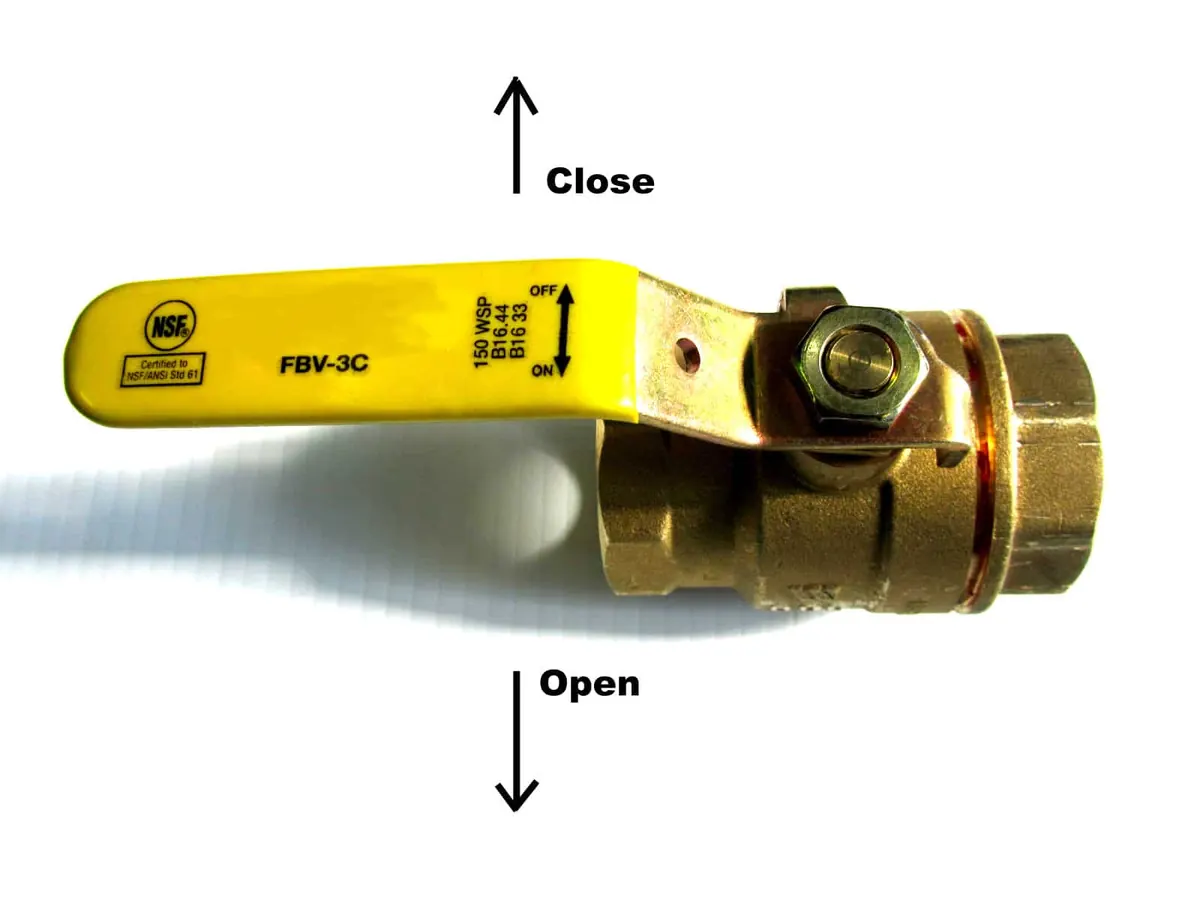
Gate valve, the round handle type: turn clockwise until it stops firmly, then a quarter turn back if it fights you. Ball valve, the lever type: the handle swings parallel to the pipe when open and perpendicular when closed; a quarter turn is the whole operation. Stiff valves are common on homes where the valve has not moved in years, so close and reopen it gently tonight while nothing is wrong. If it will not budge, do not force it into snapping; note it and have a plumber free or replace it on a calm day instead of a flooded one.
Prove it works, so it works
Closing the valve means nothing if it does not actually stop the water. Run any faucet, close the main, and watch the flow die within seconds. Tell everyone in the household where the valve is and what it does; a shut-off nobody can find under pressure is a decoration. Take a photo of its location and save it in the family chat. Then tape the emergency checklist next to it; our plumbing emergency guide is written to be printed for exactly that cabinet door.
Drill it with the whole household
A shut-off valve only protects the people who know about it, so the training belongs to everyone under the roof, including the teenager who will be home alone some afternoon and the houseguest watching the kids. Show the locations, close the valve together once, and let each person actually do it rather than watch; muscle memory is the point, not familiarity. Post the location photo where the household actually looks during a crisis, the garage fridge or the inside of a cabinet door, not the cloud.
Two detail upgrades matter in real events. Label the valve itself with a paint pen or tag, because the thing behind the boxes is a poor instruction at midnight. And check that the path to it stays clear, since a garage valve hidden behind a decade of storage is functionally missing. If the household includes someone with limited grip strength, note that lever-handle ball valves close far more easily than round gate handles, and a handle swap is a cheap visit that makes the whole system more usable.
When the valve itself becomes the problem
Valves that sit untouched for fifteen years have their own failure modes, and it is better to meet them on a dry Tuesday. A gate valve can close and still not fully seal, its gate corroded or its seat worn; the faucet test exposes this instantly, which is why the test matters more than the closing. A valve can seize outright, refusing to turn without tools and a two-handed grip, at which point forcing it risks snapping the stem and creating the very emergency you were rehearsing to prevent.
The fix for a misbehaving valve is a calm-day job: free a stiff stem, replace a failed gate with a modern quarter-turn ball valve, or relocate a buried or boxed-in valve to somewhere a person can actually reach. Any of those visits is cheap, boring, and exactly the kind of plumbing you want, the kind that never makes an appearance on a real emergency day. If tonight's test finds your valve fighting back, the contact page schedules the fix without the flood.
Pair the valve with a monthly meter habit
The shut-off and the water meter make a natural team, and together they form the cheapest leak detection system available. Once a month, with the house quiet, look at the meter: if the low-flow indicator moves with every fixture off, water is going somewhere you did not authorize. Closing the main makes the next step obvious. If the indicator freezes, the leak is yours to find indoors; if it keeps turning, the leak lives between the meter and the house, which changes the conversation entirely.
Five minutes a month, no tools, no subscriptions, and the two findings that matter most, whether a leak exists and which side of the valve it lives on, both arrive while they are still cheap. Homeowners who pair the monthly meter glance with the annual valve exercise meet almost no plumbing surprises that were not already on the calendar.
Special cases: shared meters and multi-unit properties
Some Diamond Bar homes share arrangements that change the shut-off conversation. Duplexes and converted properties sometimes run one service feeding two units, which means one household's emergency becomes both households' water outage, and the valve may live in a garage, a utility closet, or a locked side yard. Multi-generational homes with accessory units inherit the same reality. In each case, the job is the same: find the valve, learn which units it controls, and make sure the people affected know where it lives and how to reach each other when it gets used.
Rental situations add one more layer. Tenants should know where the shut-off is and how to close it, because a burst line at 2 a.m. cannot wait for a landlord to wake up; owners should want them to know, and a labeled valve with a photo in the welcome folder is the cheapest damage prevention a rental property can buy. If the arrangement is confusing, a plumber can trace which valve controls what in a single visit and label it for everyone's benefit, which is a Tuesday job that quietly prevents the worst Saturday of somebody's year.
Diamond Bar specifics worth knowing
Slab-on-grade construction means supply lines run under your floors, so the main valve is the one tool that stops a slab leak's water supply without a plumber present. Parkway meter boxes in older tracts are sometimes buried under landscaping installed decades after the utility did; look for the round or rectangular lid outline in the concrete before assuming your home lacks one. And homes with pressure regulators on the wall side of the meter should know that regulator sits downstream of the customer valve, so the valve works even if the regulator is the problem. When the water is off and the emergency is real, our 24/7 dispatch line takes it from there, and the slab leak service page explains what happens next.