How Tree Roots Damage Sewer Lines in Diamond Bar & How to Prevent It
Roots follow moisture through aging joints in four predictable stages. Here is how to spot each stage and the jet-then-line strategy that ends the cycle.
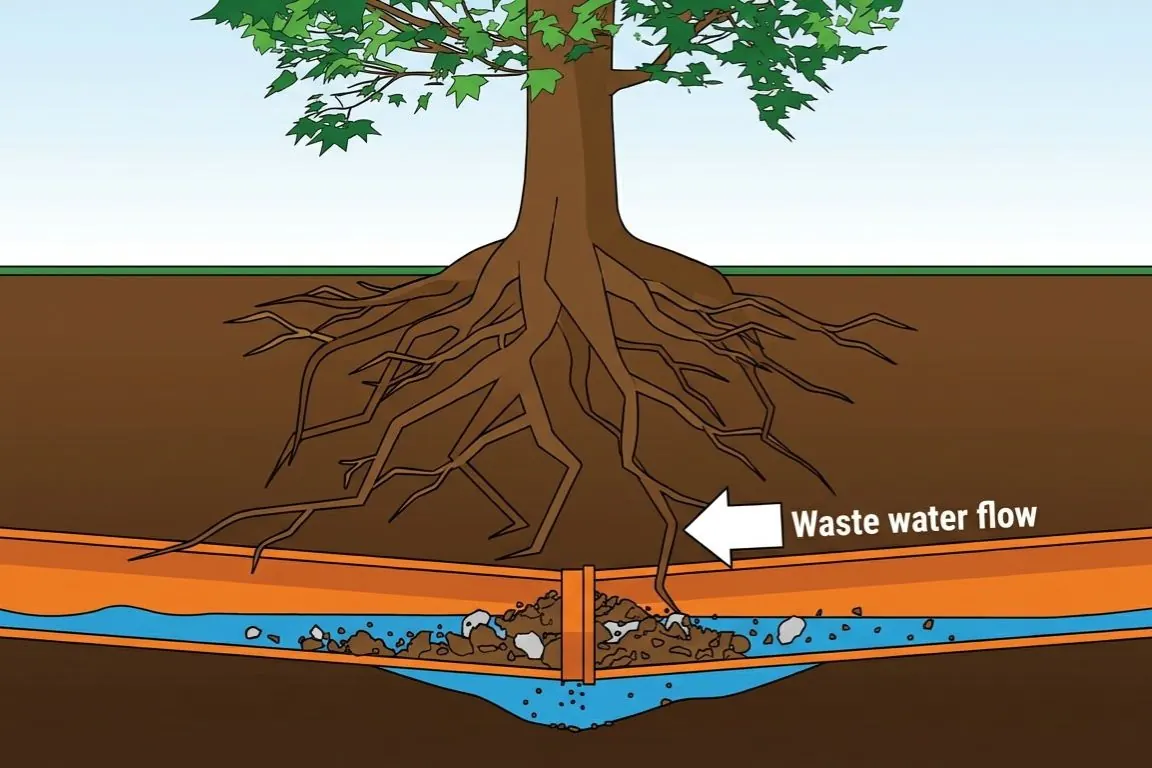
The quiet invasion under your front yard
Every mature neighborhood in Diamond Bar has two infrastructure systems: the one the city built, and the one the trees built. The trees came for the water, and the water they found first was the warm, humid air escaping your sewer lateral through fifty-year-old joints. EPA's sewer overflow guidance lists tree roots entering through pipe defects as a leading cause of blockages, alongside fats, oils, and grease (EPA SSO FAQ). Under the parkways of 91765, that guidance reads like a field report.
How the damage actually progresses
Root intrusion follows a predictable arc, and knowing the stages tells you how urgent your situation is.
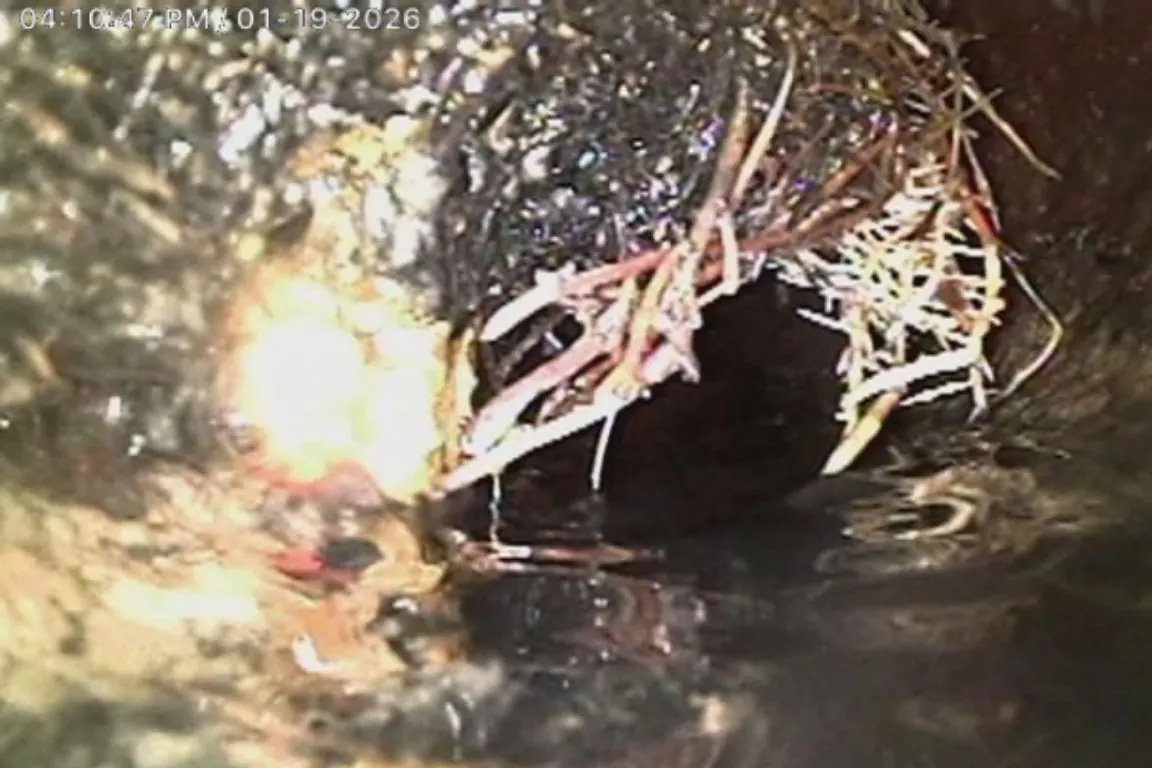
- Stage 1: exploratory hairs. Fine roots slip through a joint gap or a hairline crack. The camera sees threads across the pipe wall. Flow is fine; the clock is running.
- Stage 2: the net. Roots thicken into a web that catches paper and debris. Slow drains appear, then clear, then return. This is the stage where jetting works beautifully.
- Stage 3: the plug. A root mass plus grease plus paper forms a near-solid plug. Backups hit the lowest fixtures first, usually a ground-floor tub or shower.
- Stage 4: structural failure. Thickened roots wedge joints apart. The pipe cracks, offsets, or collapses, and now the conversation shifts from cleaning to replacement, ideally trenchless.
The signs your lateral is hosting roots
- More than one slow drain at the same time, especially the lowest fixtures in the house.
- Gurgling toilets when the washing machine drains or the tub empties.
- Sewage odor in the yard over the lateral path, or unusually lush, green grass in one stripe of lawn.
- Backups that return within months of a cable cleaning; the roots grew back because the pipe invited them.
- Standing water around a cleanout after laundry day.
How we beat roots without digging up the yard
Camera first, always. We run the camera to see which stage you have, where the entry points sit, and whether the pipe is structurally sound enough to clean or needs replacement. Guessing wastes money in both directions.
Hydro-jetting cuts and flushes. Pressurized water from a root-cutting nozzle shears the root mass off the pipe wall and flushes it downstream, cleaning the full circumference instead of threading a hole like a cable does. Jetting at this stage buys years, not weeks, because the pipe wall itself comes away clean. Our hydro-jetting service runs this play daily on root-heavy streets.
Lining removes the invitation. A cured-in-place epoxy liner seals every joint and crack the roots were using as doorways, creating a seamless pipe inside the old one that roots cannot grip. If the camera shows structural damage too far gone to line, pipe bursting replaces the run through small access pits instead of an open trench across your yard.
Maintenance keeps it honest. Homes on mature tree-lined streets do well with a scheduled jetting interval, set from your line's own history. Roots are a renewable resource; the plan keeps them managed instead of emergent.
Prevention worth doing at planting time
If you are planting new trees, keep water-loving species away from the lateral path, which usually runs from the house toward the street or alley in a straight-ish line. Ask the nursery about root behavior, not just canopy size. And if you are buying an older Diamond Bar home, put a camera inspection of the sewer lateral on your due-diligence list; it is the cheapest insurance against buying someone else's Stage 3 problem.
Root Intrusion FAQs
Which trees around Diamond Bar cause the most sewer trouble?
Fast-growing, thirsty shade trees planted in parkways and front yards cause most of it: their roots follow moisture straight into sewer joints. Mature street trees are the usual suspects on the older tracts, and the bigger the canopy, the bigger the root system below it.
How do roots actually get into a sealed sewer pipe?
Through joints and defects. Warm, moist, nutrient-rich air escapes even a small joint gap, and fine roots grow toward it, thread in, thicken, and eventually fill the channel. What enters as a hair becomes a net that catches every sheet of paper that passes.
Can I remove roots myself with store-bought chemicals?
Foaming root products can slow fine regrowth, but they do not remove a mature root mass, and heavy use risks the surrounding landscaping. Mechanical cutting with a jetter or cable, followed by a structural fix like lining, is the durable answer.