Snaking vs. Hydro-Jetting: Which Drain Cleaning Method Do You Need?
One tool bores a hole through the clog; the other removes why the clog existed. Here is which drain cleaning method your situation actually calls for.
Two tools, two philosophies
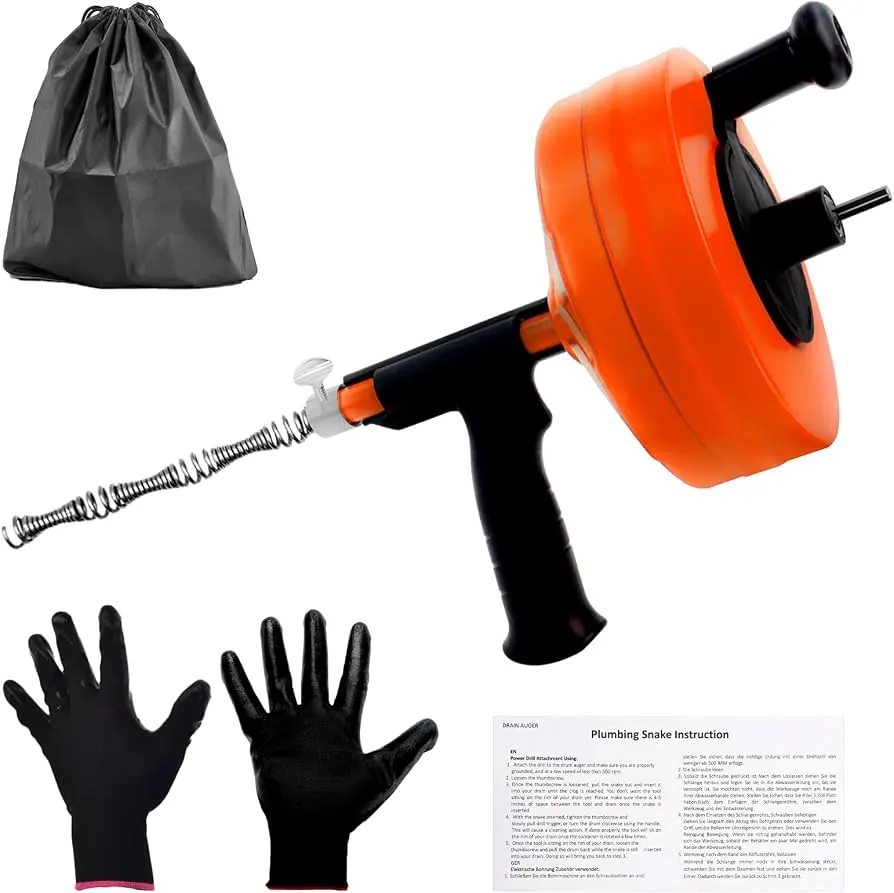
Walk into most hardware conversations about a clogged drain and you will meet the snake: a flexible cable with a corkscrew tip that bores through a blockage. It is the oldest answer in the trade, and for plenty of problems it remains the right one. Hydro-jetting is the newer answer: pressurized water from a specialty nozzle that scours the entire pipe wall clean. The difference between them is not horsepower; it is philosophy. One opens a path through the clog. The other removes the reason the clog existed.
What a snake does well
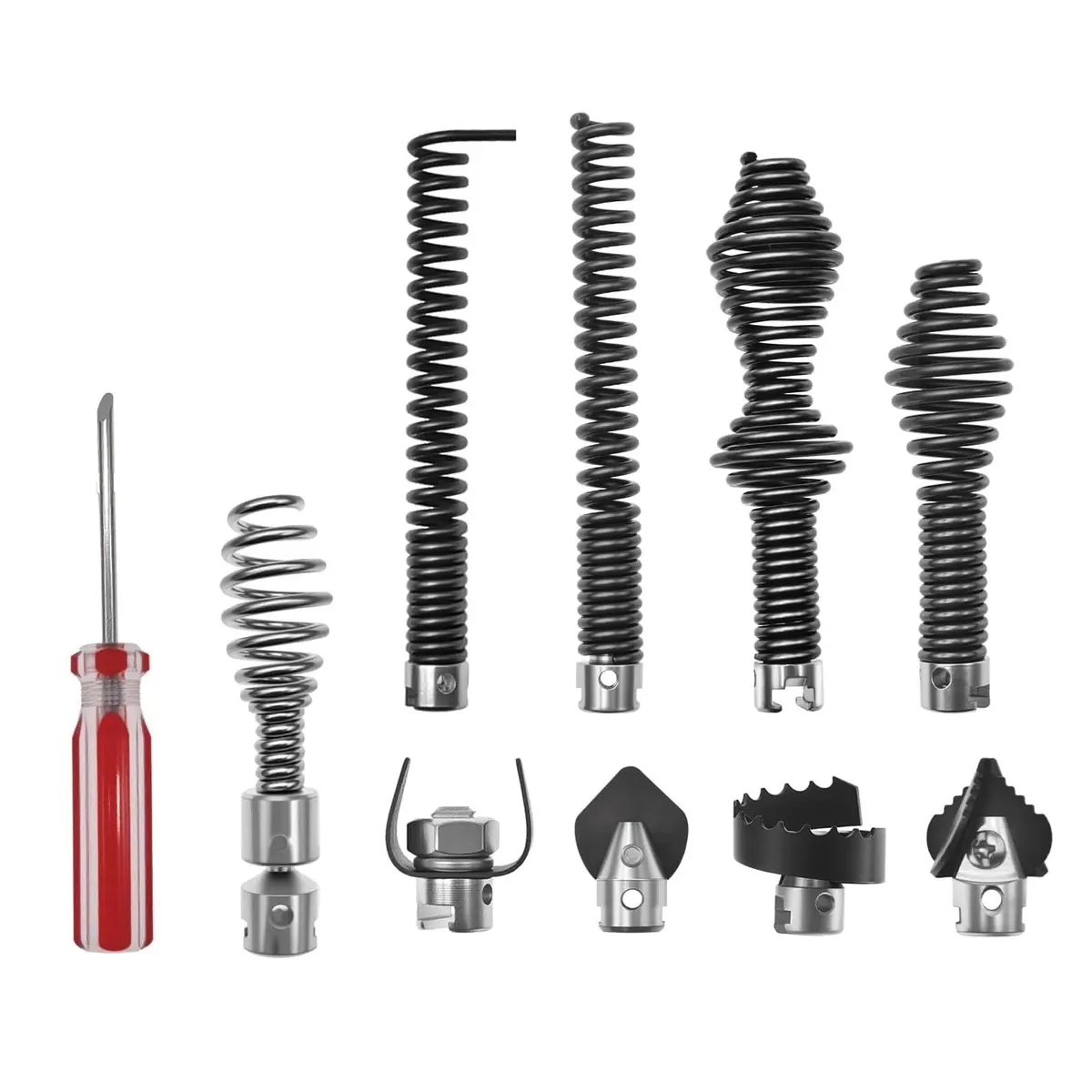
A cable is fast, cheap, and honest about its job. For a single fixture, a first-time clog, or a hair mass near a tub drain, snaking clears the obstruction in minutes at a modest price, and the drain behaves for months. It is also the tool that handles certain obstructions a jetter dislikes, like solid objects. What a snake cannot do is clean. The corkscrew punches a hole through grease and sludge; the walls around the hole stay coated. Whatever made the drain slow this year is still there, collecting the next layer.
What a jetter does well
A jetter attacks the pipe circumference. Water streams exit the nozzle in directed arcs, scouring grease in sheets, stripping fine roots at the wall, and flushing scale downstream. After a proper jetting pass, the pipe interior is genuinely clean, which is why the drain's behavior afterward lasts years instead of months. The trade-offs are real: jetting costs more per visit, needs a camera inspection first to confirm the pipe is structurally sound, and is overkill for a single slow bathroom sink.
| Situation | Right tool | Why |
|---|---|---|
| One sink or tub slow for the first time | Snake | Localized clog; fast, cheap, effective |
| Hair mass in a bathroom fixture | Snake | Cable grabs it directly |
| Main line backed up more than once this year | Jet | Recurring means walls are coated; snake keeps buying repeat visits |
| Kitchen line with years of grease | Jet | Grease shears off the wall; snake pokes a tunnel |
| Fine root intrusion at joints | Jet, then line | Cutting nozzle strips roots; lining removes the entry points |
| Toy, toothbrush, or solid object | Snake or retrieve | Objects do not dissolve; water pressure just pushes them deeper |
The honest decision rule we use
Ask how many times this drain has made you call anyone in the past two years. Zero or one: the snake is probably all you need, and we will quote it that way. Two or more, or more than one fixture misbehaving together: the line is telling you its walls are loaded, and jetting stops the subscription. There is a third branch too: when the camera shows roots or cracks, cleaning is triage and trenchless repair is the cure, which is why every jetting conversation in our shop starts with a camera, not a price.
What each costs in Diamond Bar
Single-fixture snaking runs $150 to $350 in most cases. Camera-guided main line jetting lands between $350 and $800, with the inspection credited toward the work when you approve the quote. Those bands come from our own 2025-2026 job records across 91765 and neighboring ZIPs, and the flat quote you sign never drifts from them without your signature on a change. If the recurring-clog story sounds like yours, our hydro-jetting and drain cleaning page shows the camera-first process, and our dispatch line answers around the clock when the tub is filling instead of draining.