What Is Trenchless Sewer Repair? (Pros, Cons & Cost in California)
CIPP lining and pipe bursting replaced the excavator. Here is how each method works, where they fail, and what the work really costs in California.
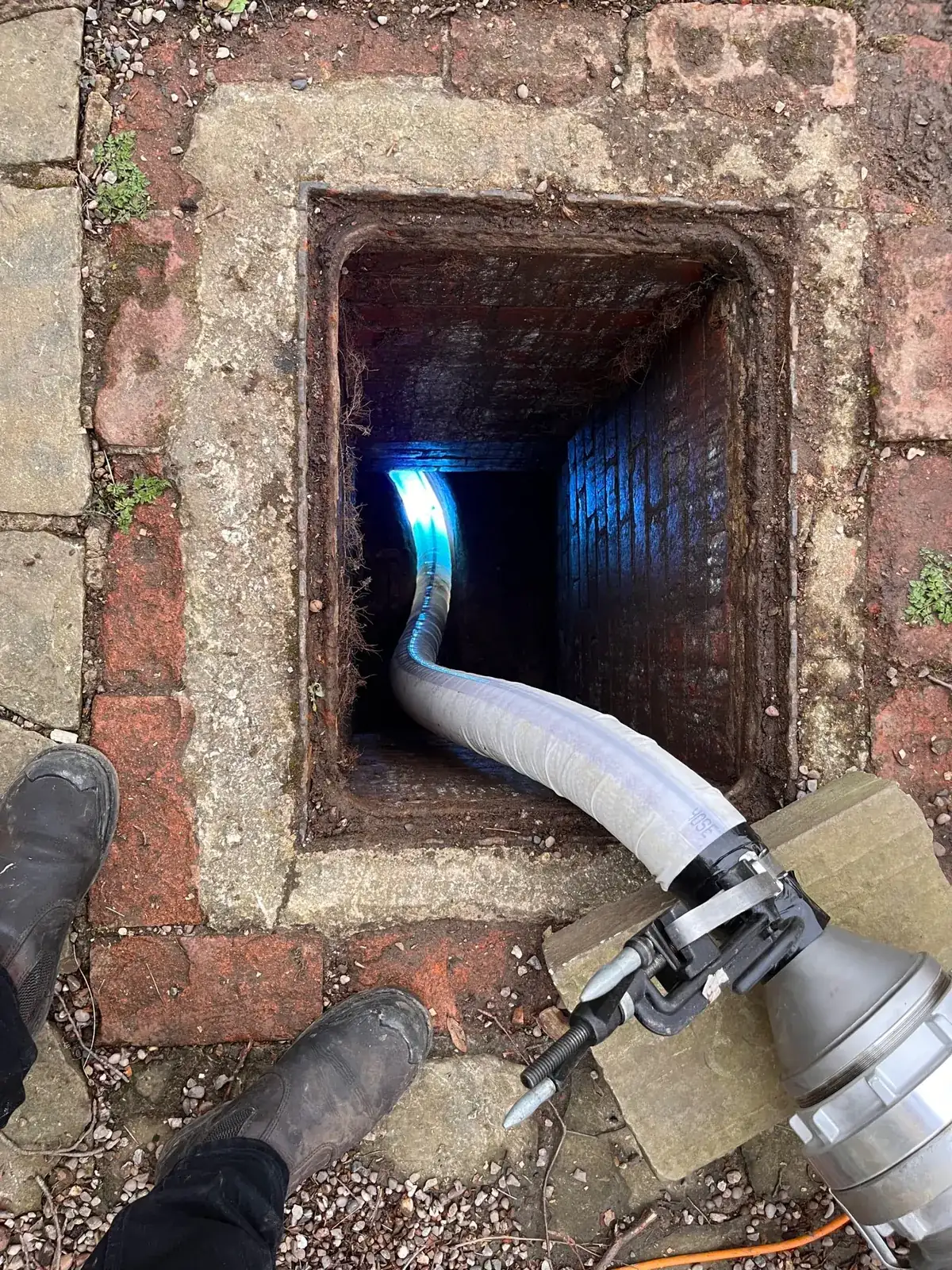
The technology that changed the trade
For most of plumbing history, a failed sewer lateral meant one picture: an excavator, a torn yard, a saw-cut driveway, and a week of inconvenience priced on top of the repair. Trenchless technology broke that equation. Instead of exposing the pipe, the crew restores or replaces it through one or two small access points, using the old pipe as its own guide. Two methods carry the field, and they solve different problems.
Method one: cured-in-place pipe lining (CIPP)
Lining rebuilds the pipe from the inside. A felt tube saturated with epoxy resin gets winched or inverted into the cleaned host pipe, inflated against its walls, and cured hard with hot water or steam. The result is a seamless, jointless new pipe nested inside the old one, with a smooth interior that often flows better than the original clay ever did. Lining is the answer when the pipe still holds its shape: cracked clay, root-invaded joints with the channel intact, corroded cast iron that has not collapsed. Preparation matters enormously; the host pipe gets hydro-jetted clean first, because a liner takes the shape of whatever it presses against.
Method two: pipe bursting
Bursting replaces a line too far gone to line. A steel bursting head fractures the old pipe outward while hydraulic pulls drag a fresh HDPE pipe into the same path behind it. The new line is fused into one continuous run with no joints to leak, and its flexibility handles ground movement better than the rigid clay it replaces. Bursting is the answer for collapsed sections, severe offsets, and runs that have deformed beyond lining's reach.
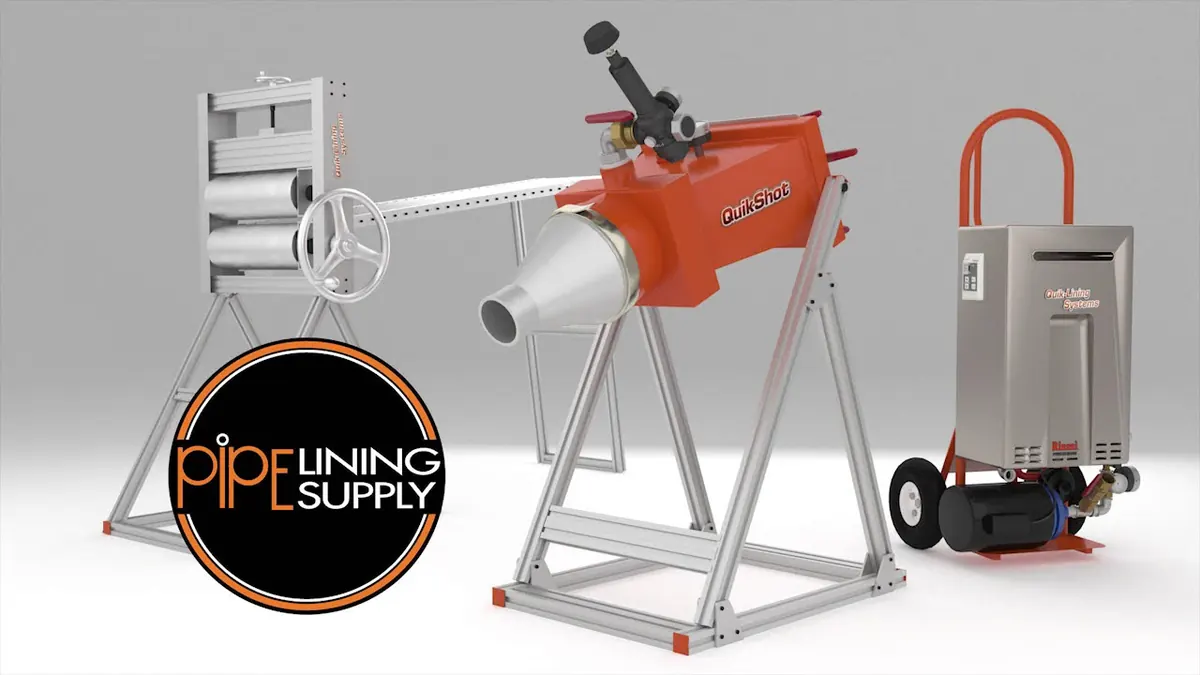
The pros, stated plainly
- Landscape survival. Lawns, patios, driveways, and mature planting stay intact. On a landscaped Diamond Bar lot, restoration avoided often exceeds the pipe premium by thousands.
- Speed. Most single-family laterals finish in one working day from setup to final camera.
- Better hydraulics. A seamless liner or fused HDPE run has no joints to catch roots or offset with soil movement.
- Documentation. You see the damage on camera before and the result on camera after. The evidence file protects you at resale too.
The cons, equally plainly
- Not universal. Collapsed runs, bellies holding standing water, and some extreme bends need spot excavation or disqualify lining entirely.
- Diameter trade-offs. A liner slightly reduces internal diameter; usually irrelevant hydraulically, occasionally decisive.
- Quality variance. A badly prepared or badly cured liner is a problem wrapped inside a solution. Contractor documentation is your defense, so demand it.
- Upfront pipe pricing. The pipe work alone can exceed open-trench bids. Judge totals, including restoration, or judge nothing.
Cost bands for California homeowners
Our 2025-2026 project records across the Diamond Bar service area put most single-family trenchless replacements between $4,000 and $12,000, driven by depth, length, and method. Open-trench projects price from $3,500 upward before restoration, and restoration is where the honest comparison happens: driveway and landscape rebuild routinely adds four figures that trenchless never spends. Every project we quote is flat-priced after camera inspection, with both methods priced when both qualify, and the footage justifying the recommendation ships with the bid.
Comparing bids right now? Read our trenchless sewer repair service page for the method comparison table, and our hydro-jetting page for why preparation cleaning matters. Or call dispatch and book the camera inspection that starts every honest quote.
Three patterns that separate solid bids from regret
Trenchless quotes vary widely for the same pipe, and the differences are predictable once you know where to look. The first pattern is the missing restoration line: a bid that prices the new pipe but says nothing about the access pits, surface patching, or the permit file is deferring costs you will meet later. The second is the skipped camera record: a bidder who does not show you the line's condition before quoting is pricing a guess, and the after-footage matters just as much, since it is the proof the job is what the invoice says. The third is the single-method shop: a crew that only lines, or only bursts, will somehow find your pipe suited to the tool they own. Ask which methods they run and why your line fits the one they recommended.
None of these patterns make anyone a villain; they are the standard shortcuts of a competitive trade. The defense is identical for all three: the written scope, the footage, and the method reasoning, in the same folder, before any signature. Bids that arrive complete tend to be the bids that finish complete.
Where the technology is heading
The no-dig toolkit keeps improving in ways homeowners will notice at the quote stage. Resin systems keep earning longer manufacturer ratings, installation equipment keeps shrinking the access footprint, and camera systems keep getting better at measuring wall thickness and mapping defects precisely enough that method selection is becoming an engineering call rather than a judgment call. None of it changes the fundamentals in this guide: the camera decides, the preparation determines the result, and the documentation protects the investment.
What it does change is the floor under the industry. Not long ago a marginal bid could hide behind trade jargon; today the footage, the ratings, and the permit record are all checkable, and the gap between a careful shop and a careless one is visible to anyone who asks two questions and waits to see two videos. That trend favors homeowners, and it is the main reason we document the way we do: the standard exists whether or not a particular job is ours.
Trenchless FAQs
How long does a trenchless sewer line last?
Cured-in-place liners are engineered as structural pipe with a multi-decade design life, and properly installed liners are rated at or beyond fifty years by their manufacturers. Installation quality drives the real-world number, which is why documentation of preparation and curing matters when you compare bids.
Does trenchless work on every damaged sewer line?
Most, not all. Lining and bursting handle cracks, roots, and corrosion while the pipe retains a channel; a fully collapsed run or a sagging belly can need targeted excavation at that section first. The camera inspection decides, and a good contractor will show you the footage that made the call.
Is trenchless sewer repair cheaper than digging?
The pipe work alone can price higher, but the totals rarely do. Open trenching adds driveway cutting, landscape restoration, and days of disruption; trenchless needs one or two small pits and most lawns survive untouched. Count restoration in the comparison or the comparison is fiction.
Can lining and pipe bursting share one project?
Yes, and mixed-method jobs are common on longer laterals. A run might line cleanly for most of its length while one crushed section near the street needs bursting or a small open spot repair. The camera decides the map, the quote prices the combination in writing, and the final video proves each method where it was used.
What if the camera finds a low spot holding water?
A belly, meaning a sag where wastewater ponds, is the finding that most complicates the no-dig story. Liners follow the host pipe's shape, so a deep belly stays a belly unless that section gets re-graded or replaced. Shallow bellies can still line and perform for years; deep ones get a spot correction first. Either way you hear the honest version before choosing, with the footage to back it.