Spring & Rain Season Plumbing Maintenance Checklist for Diamond Bar Homes
The dry season is the time to fix what the first storm will find. Gutters, yard drains, slow laterals, and the shut-off test, in one afternoon checklist.
Southern California's other "storm season"
Rain in the San Gabriel Valley concentrates into the cooler months, and it arrives the way it always does here: weeks of dry, then a system that dumps a season's worth in two weekends. Roofs, gutters, yard drains, and sewers that behaved all summer meet their whole year's workload in one atmospheric river. The homeowners who float through it are not lucky; they spent a fall afternoon on the checklist below.
Exterior: move the water away from the house
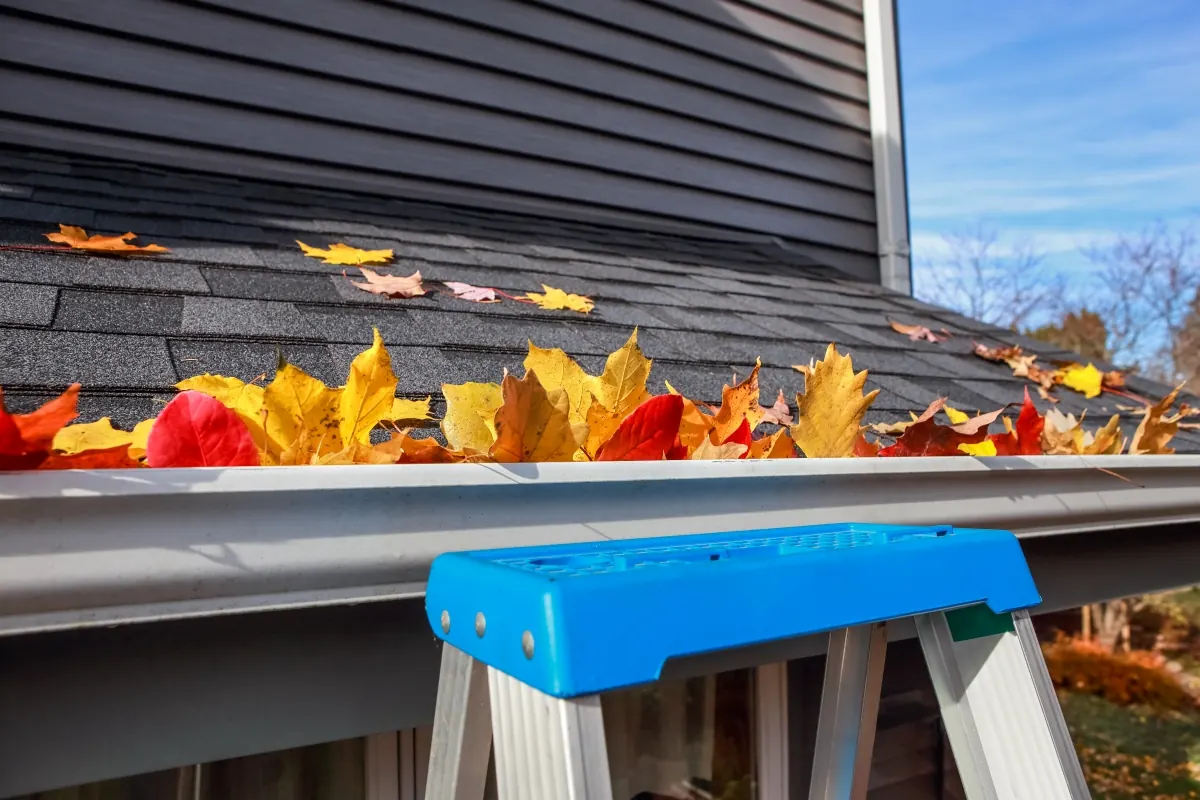
- Clean the gutters and check the downspout discharge. Clogged gutters spill water at the fascia, and Southern California homes without gutters dump roof water straight against the slab. Downspouts should discharge several feet from the foundation, not at it.
- Flush the yard drains and area drains. Sweep sand, leaves, and landscape debris out of every grate before the first storm. A garden hose fills faster than a drain that is already half-blocked; the first rain reveals which is which, expensively.
- Check the grading story. Soil should slope away from the slab. Low spots that ponded last winter have only gotten deeper; fill them now, while the ground is dry and cooperative.
- Walk the roofline visually. Lifted tiles and failed flashing feed the gutter problem. Binoculars from the yard find the obvious ones; a roofer finds the rest.
Interior: give the drains a dry-season audit
- Run the fixtures nobody uses. Guest bathrooms and patio sinks dry out their P-traps over the dry season; running water for a minute each refills the trap and keeps sewer gas outside where it belongs.
- Watch how the main drain behaves. Fill and release a tub, then run the laundry. Gurgling or slow clearing before rain season is your lateral announcing roots or grease; it will not improve with rainfall, and our hydro-jetting service exists for exactly this finding.
- Test the sump pump if your property has one. Pour a bucket of water into the pit and watch it cycle. Homes with hillside drainage or basement-adjacent spaces rely on that pump exactly once a year; test it before the year asks.

Water systems: the quiet season tune-up
Fix the running toilets. A flapper that quietly runs all day wastes real water and hints at hardware at end of life; rain season is when every fixture gets asked to work. Insulate exposed pipe if your property has any. Hard freezes are rare here, not impossible, and hillside properties with exposed runs know it. Find and test your main shut-off. Storm season is exactly when a collapsed line or backed-up drain makes you grateful for a valve that moves; our shut-off valve guide takes five minutes.
Book the camera if the drains have been slow. The dry season is when scheduling is convenient and the weather cannot complicate the work. A camera pass plus, if warranted, a jetting clears the calendar problem before rain makes it an emergency; our drain and jetting page explains the camera-first process. And once the checklist is done, the 24/7 dispatch line remains the plan for the storm that ignores your planning. Save the number now; our contact page has it in one click.
Rain day rules, for when the sky actually opens
The first storm is also a test, and how you behave during it changes the score. Keep the patio and yard drain grates clear during the event itself; the leaves that waited all year for a ride arrive on the first flush, and a grate cleared at dinnertime saves a flooded patio by midnight. Hold the dishwasher and laundry during the heaviest hours if the main drain has been slow, because adding household water to a lateral already fighting storm infiltration is how floor drains become fountains.
Watch the two telltales while it pours: how fast the yard drains actually swallow, and whether any floor drain gurgles as water moves in the street main. Gurgling during heavy rain means the system is near its limit, and the correct response is conservatism rather than curiosity: stop adding water, cap the lowest fixtures if they threaten, and let the event pass before diagnosing. The morning after is generous; the middle of the storm is not.
The morning-after check, twenty minutes well spent
Once the sky clears, twenty minutes of looking closes the loop the checklist opened. Walk the drains first: every grate should swallow a hose-full promptly, and any that hesitated earns a spot on the service list before storm two. Look at the slab perimeter and downhill slopes for new wet patches or seep lines that outlast the rain, since those photograph well and matter even more when they repeat. Check the heater area and any garage or attic spaces the wind tested, and run the fixtures briefly to confirm the traps held.
Then run the one test that catches the invisible problems: the meter check with everything off. Storm season is when underground lines shift and old laterals crack, and the meter notices before the bill does. A moving indicator after a storm is exactly the finding that converts an emergency into a scheduled repair; the camera visit it books is calm, dry, and cheap by the standards of the alternative.
What to schedule after the season's first test
The first storm grades the checklist, and the grades translate directly into bookings. Drains that passed need nothing but next fall's repeat. Drains that hesitated get a jetting on a dry-day appointment. Gurgling mains get a camera look before the next system arrives, because the interval between storms is exactly when root and grease problems are cheap to resolve. And any new wet patch on the slope side of the property deserves photographs and a drainage conversation before winter turns it into a pattern.
One season of this rhythm is usually enough to change what the second storm finds: the same water, the same roof, and a property that shrugs. That is the entire ambition of the checklist, no drama, just a house that treats its busiest water weekend like any other.
The hillside addendum, for slope and view properties
Homes on the slopes run the same checklist with two additions. First, drainage features deserve double attention: retaining wall weep holes, terraced basin drains, and the swales between tiers all need to be as clear as the gutters, because a blocked weep hole does its damage slowly and invisibly behind the wall. Second, the post-storm walk should include the slope itself: new cracks along terraces, soil creeping at the edges, or water surfacing where it never has are all findings worth photographing and reporting early, while the fixes are landscaping-scale rather than structural.
Hillside properties also tend to run longer laterals and more exterior infrastructure, which makes the pre-season camera check more valuable, not less; a lateral crossing two tiers of slope is a different conversation than a flat-lot run, and the footage shows which one you own. The slopes are why this area is worth living in. They just charge rent in attention, payable every fall.
The ten-minute version, for the busy fall weekend
- Clear all yard drain grates and the path from downspouts.
- Run every unused fixture for a minute.
- Fill-and-release test the tub; listen for gurgling.
- Close and reopen the main shut-off; confirm faucet flow dies.
- Look up at the roofline from the yard for lifted tiles.
Five items, ten minutes, and the season's most common emergencies have nowhere to land.