Why Is My Water Heater Making a Loud Rumbling Noise?
Rumbling, popping, crackling: your water heater is describing its sediment problem. Here is what each sound means and the safe steps to take tonight.
Translate the noise first
A water heater that has started announcing itself is describing its own condition, and the description is usually the same one: sediment. Before you panic or ignore it, put your ear near the tank and match what you hear to the list below. Different sounds mean different problems, and only one of them is an emergency tonight.
- Rumbling or popping: mineral sediment boiling at the tank bottom. The classic hard-water sound in Diamond Bar garages, and the subject of the rest of this guide.
- Crackling on a tankless unit: scale on the heat exchanger. Same family, different anatomy, same fix: descaling.
- Sizzling or hissing: water dripping onto the burner. A leak is forming; look under the tank for puddles.
- Banging in the pipes when a tap closes: water hammer, a pressure phenomenon, not a heater problem.
- Scraping or ticking: loose anode rod debris or expansion and contraction. Worth a look, rarely urgent.
Why the tank rumbles: the sediment story
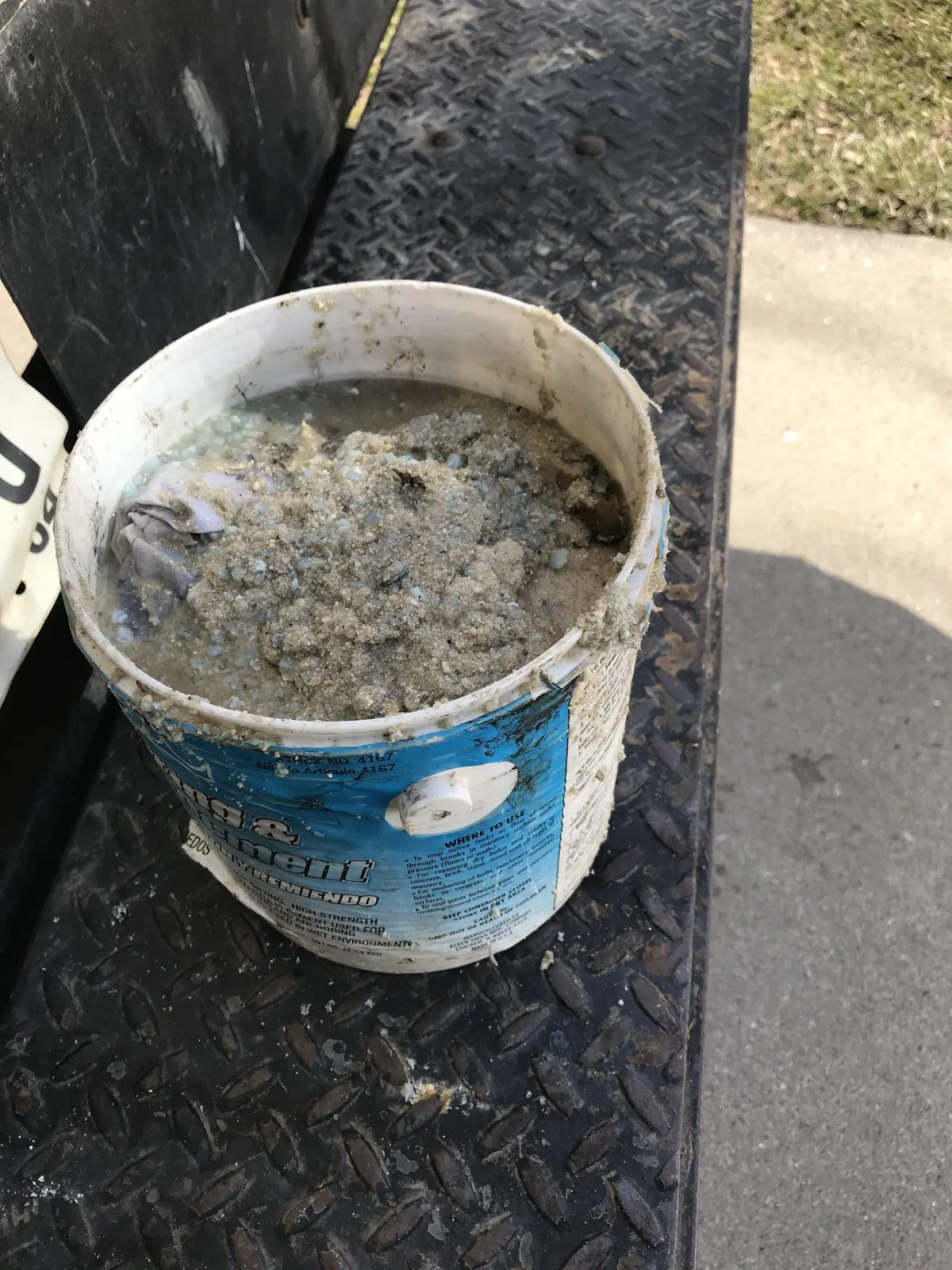
Our region's imported supply carries dissolved calcium and magnesium, and heating forces those minerals out of solution at the hottest surface in the tank. USGS describes the result as solid calcium carbonate deposits that reduce equipment life and lower efficiency (USGS Water Science School). In a storage heater, those deposits settle into a layer at the burner end of the tank, exactly where the flame does its work.
The rumble you hear is steam. Tiny water bubbles trapped under the sediment layer flash to steam, fight their way out, and collapse with a pop. Thousands of them per heating cycle sound like a kettle of gravel. The sound itself harms nothing; what it announces does. That crust sits between the flame and the water it should be heating, so every shower asks for a longer burn, costs more every month, and cooks the tank lining from the bottom up. Left alone for years, the layer hardens, the tank fatigues, and one morning there is water on the garage floor instead of a repair option.
Safe steps to take before calling anyone
Some of this you can do tonight without tools beyond a garden hose.
- Check for leaks first. Water under or around the tank changes the whole conversation; a weeping tank is a replacement candidate, not a flush candidate.
- Listen with a purpose. Note when the noise happens: only during heating, or constantly. Constant sounds with no burner activity point elsewhere.
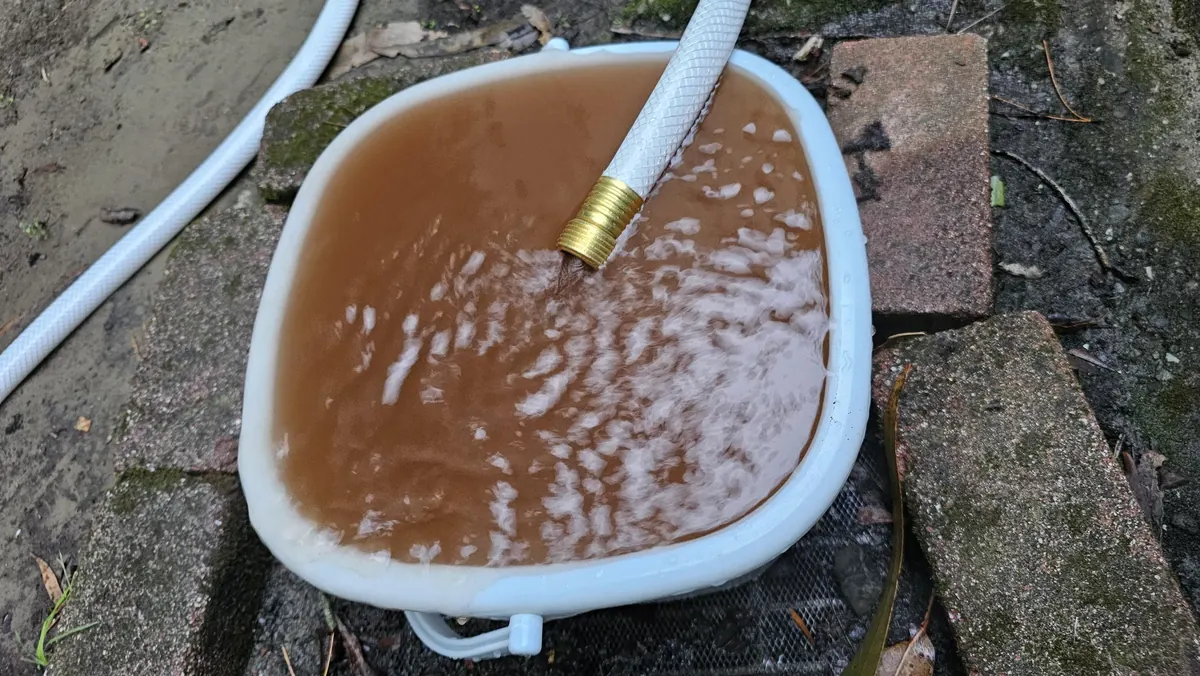
- Try a partial drain. Attach a hose to the tank's drain valve, run it to a safe outdoor area or floor drain, and drain several gallons until the water runs clearer. This removes loose sediment. It will not remove hardened scale, but it often quiets a tank noticeably and costs nothing but an hour.
- Test your hot water recovery. Note how long the tank takes to recover after heavy use. Comparing that number in a month tells you whether the sediment is growing.
- Know the age. The manufacture date hides in the serial number's first letters and digits. A tank past its warranty with heavy rumbling is doing arithmetic you should see coming.
One thing not to do: do not open relief valves or disassemble anything near gas connections. The rumbling is annoying, not dangerous, but the equipment around it involves scalding water and gas, and both deserve respect.
When to call, and what we do
If a partial drain quiets the tank for a month and the rumble returns, the sediment has hardened and the tank wants a professional flush, where we agitate and fully drain the layer, inspect the anode rod, and test the relief valve. If the tank is young, that service restores it to something close to factory behavior. If the tank is old and scaled, we will tell you the replacement math honestly, because flushing a dying tank is buying time at full price.
Tankless owners hearing crackling get the same deal with different tools: a pump-driven descaling of the heat exchanger that restores flow and silences the unit. Our water heater repair and flushing service covers both, and our guide to hard water and your heater explains the annual schedule that prevents the whole conversation. Prefer to talk it through tonight? Call our dispatch line; the phone is answered 24/7.